Written by Neha Srivastava, Manager – Program Operations & Communications
Across India’s urban centres and increasingly in smaller towns, infertility is gaining visibility. IVF clinics are expanding rapidly, conversations around delayed childbearing are becoming more common, and public attention is gradually shifting toward the challenges of conception. In this changing landscape, an important question is emerging: is family planning still as relevant for India as it once was?
The short answer is yes — but the reasons have evolved.
India has achieved replacement-level fertility, a milestone that reflects decades of investment in reproductive health and voluntary contraception. At the same time, unmet need for family planning has declined between recent National Family Health Survey rounds. These are important gains and signal real progress.
However, national averages can mask deep inequities. There remain significant pockets across the country where total fertility rates are well above the national average and where unmet need for contraception remains high. Young married women, adolescents, rural populations, and marginalized communities continue to face barriers to accessing timely, high-quality family planning services. For these groups, the question is not whether family planning is relevant — it is whether access is reaching them when they need it.
The growing attention to infertility should therefore be seen not as a replacement for family planning, but as an expansion of India’s reproductive health agenda.
Over the past two decades, India has also moved steadily away from viewing family planning through a narrow population control lens. Today, the policy and programmatic framing is increasingly rights-based — grounded in informed choice, voluntarism, and reproductive autonomy. This shift is critical. When family planning is understood as enabling individuals and couples to decide freely and responsibly the number and spacing of their children, its relevance becomes enduring, regardless of demographic transitions.
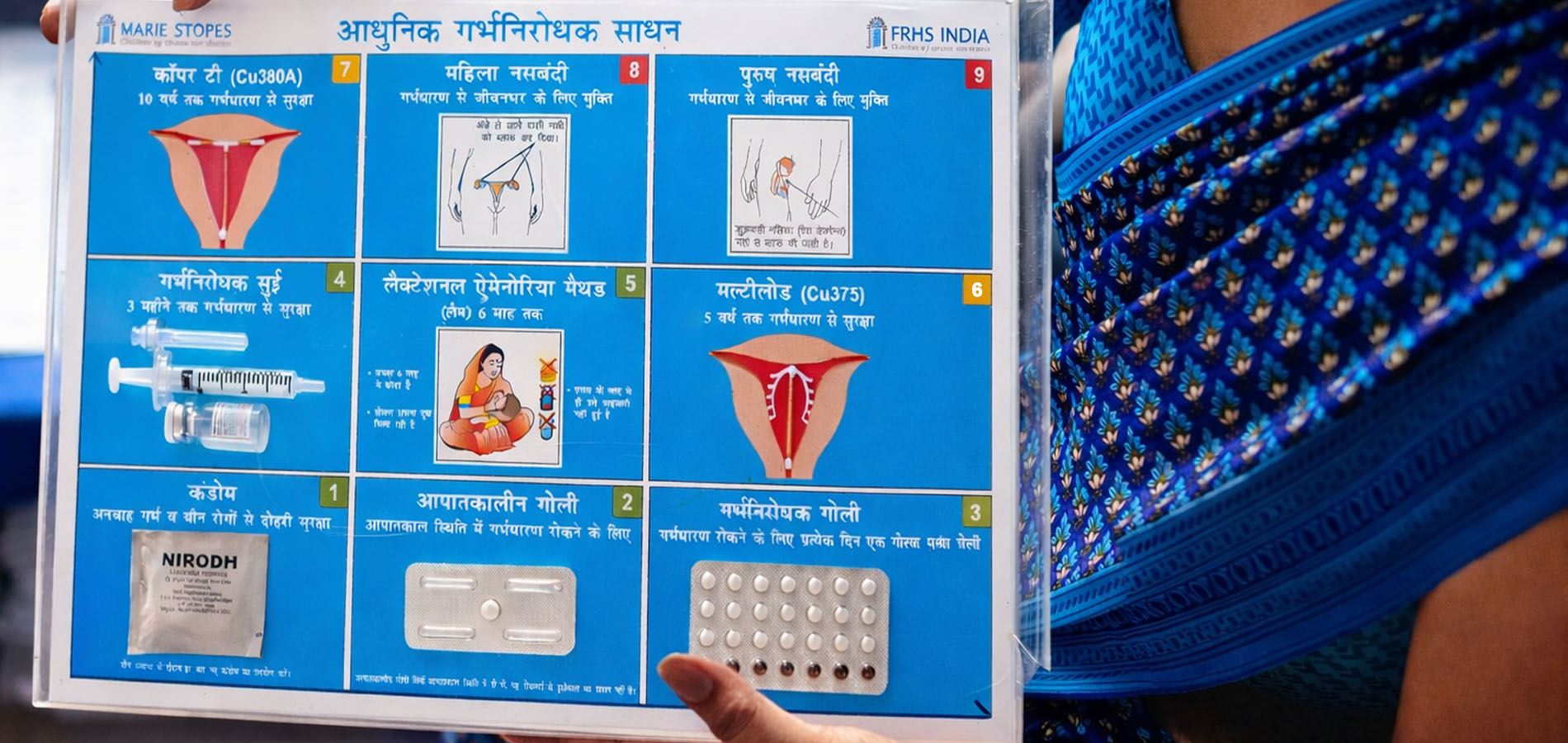
Looking ahead, India’s reproductive health landscape will need to hold two realities at once. On one hand, the country must strengthen its response to infertility, including improving access to ethical, affordable fertility care. On the other, it must continue to close persistent gaps in voluntary contraception — particularly in high-need geographies and among underserved populations.
This is not a contradiction. It is the natural evolution of a maturing reproductive health system.
Technology and innovation can further accelerate progress. Digital counselling tools, AI-enabled decision support for providers, and smarter supply chain forecasting can help ensure that the right method reaches the right client at the right time. Equally important will be investments in provider confidence, quality of care, and youth-responsive services.
Ultimately, the relevance of family planning in India should not be judged solely by fertility rates or demographic milestones. It should be measured by the extent to which every woman — regardless of geography, age, or social circumstance — can exercise real choice over her reproductive life.
Infertility deserves attention. But so does the unfinished agenda of ensuring equitable access to voluntary contraception.
Family planning in India is not becoming obsolete. It is becoming more nuanced, more client-centred, and more firmly rooted in rights. The task ahead is to ensure that our policies, programmes, and investments keep pace with this evolving reality.